The Downsides of Living in Cyprus: Our Honest View
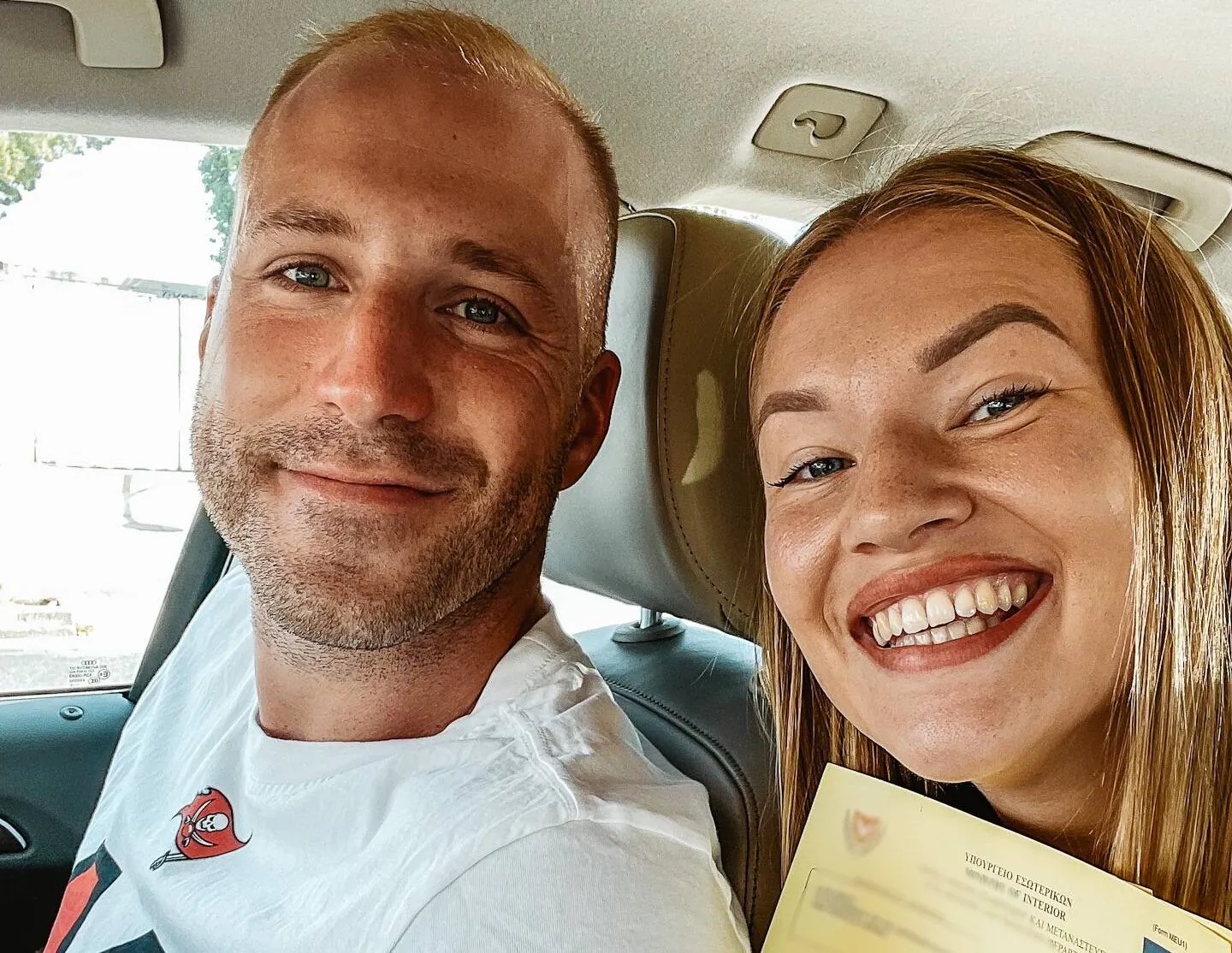
Sea in front of the door, palm trees, sunshine, a fresh start. We had the same dream, and we still love living here. But Cyprus is not for everyone, and we would rather you hear the downsides from us before you buy than discover them afterwards.
We have lived on the island for years, moved several times, made our own mistakes, and seen many people arrive and leave again. These are the points where it most often goes wrong, and how we handle them today.
1. The summer heat is serious
On holiday you hardly notice it. Living here, July and August are weeks of constant heat. Around 30 to 35 degrees during the day sounds manageable, but humidity on the coast is often 60 to 70 percent, and at night it can climb above 80. The nights bring little relief, and the air conditioning runs day and night.
How we deal with it: many residents leave the island for six to eight weeks in high summer, and so do we. Others go up to the Troodos mountains, where it is noticeably cooler. If you only plan to spend part of the year in Cyprus anyway, choose spring and autumn. They are wonderful.
2. Local jobs do not pay well
Wages in Cyprus are low compared with living costs. People who move here and take a local job often work long hours, see little of island life and leave frustrated. Cyprus is a place for people with their own income: a business, remote work, investments or a pension.
3. The safety net is thinner
There is a public health system and a social system, but at a lower level than many newcomers expect. Private health insurance, your own savings and your own organisation matter here. The upside: in private healthcare, waiting times are short and service is often very good.
4. Everything moves more slowly
An appointment at ten can turn into "sometime this morning", or into next week. Family comes first, things get postponed spontaneously, and nobody stresses. Our favourite example: in one rented house the cooker hood was broken when we moved in. We reported it straight away. The repaired one was installed shortly before we moved out.
Authorities can also be slow, and different offices sometimes tell you different things about the same question. At first this feels chaotic. What we learned: siga siga, slowly slowly, is a way of life here. Accept it and you gain calm. And a good network is gold: when you know whom to ask, everything becomes much easier.
5. Without people, it gets lonely
However beautiful the island, alone it starts to feel like isolation rather than freedom. Tourist towns can feel almost deserted out of season. Being ill in your first weeks without knowing anyone is hard.
Our advice: connect as early as possible. There are business networks, meetups, sports groups and church communities in many languages. More international residents live here than you would think, but you only meet them once you start showing up. We wrote more about this in our guide to community in Cyprus.
6. Damp and build quality
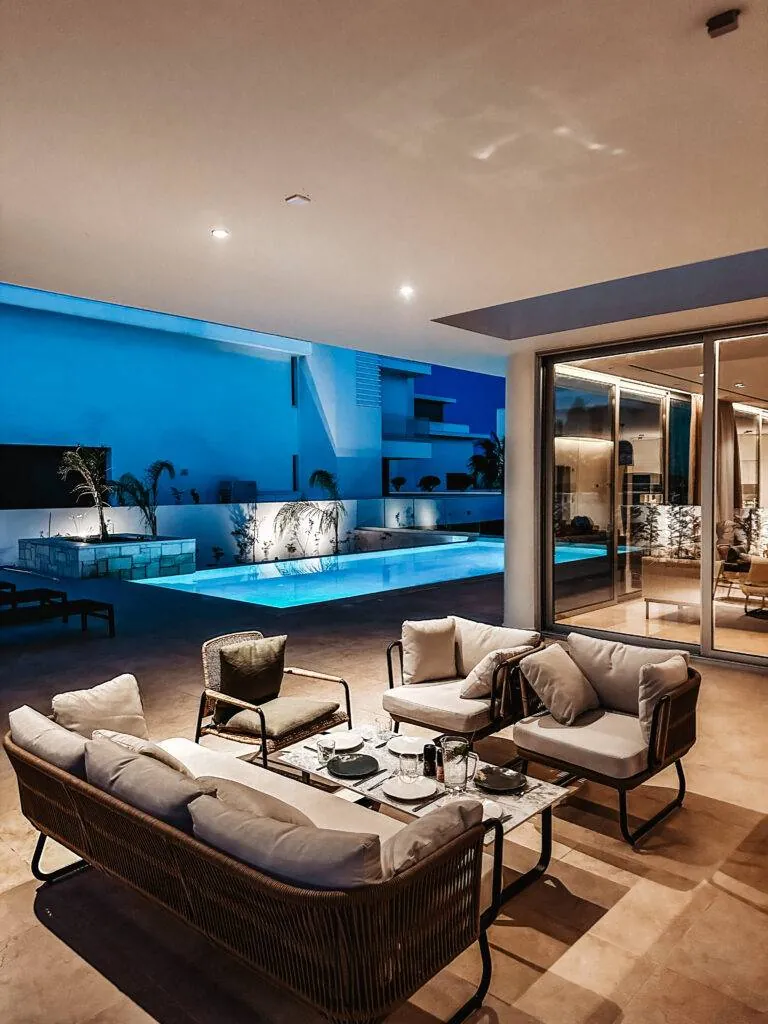
Humidity is a real issue in older or poorly insulated homes, and some landlords simply paint over mould. If you buy, check insulation, windows and waterproofing carefully, or choose a well-specified new build. Our viewing checklist helps.
Cyprus is different, and that can be the point
The downsides are rarely the beach, the sea or the weather. They are expectations, income, mentality and organisation. Life here is less structured and less protected by the state, but freer, sunnier and calmer. If you are ready to take responsibility, plan your income and embrace siga siga, Cyprus can give you a life that truly fits.